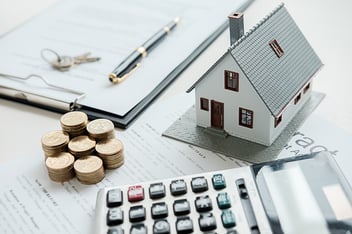

Deciding between renting and buying a house is one of the biggest financial and lifestyle decisions many people will make. And despite what you may hear, buying isn’t automatically the “better” choice for everyone.
The right decision depends on your finances, future plans, lifestyle, and the current housing market. Buying a home can help you build equity and create long-term stability, while renting offers flexibility and fewer upfront costs.
If you’re weighing the advantages of buying a house vs renting, this guide will help you compare both options and decide what makes the most sense for your current stage of life.
If you’re weighing the advantages of buying a house vs renting, this guide will help you compare both options and decide what makes the most sense for your current stage of life.
Key Takeaways:
Is It Better to Rent or Buy a House?
For most people, buying a house makes more financial sense long term if they plan to stay in one place for at least 5 years and can comfortably afford the upfront and ongoing costs of homeownership. However, renting may be the better choice if you value flexibility, expect to move soon, are rebuilding credit, or want lower short-term financial responsibility. The best choice depends on:
|
Renting vs Buying a House: What’s the Difference?
Before comparing the pros and cons, it’s important to understand the core difference between renting and buying a home.
When you rent, you’re paying for a place to live without taking on ownership responsibilities. Renting gives you flexibility and fewer upfront financial commitments.
When you buy a home, you’re investing in property ownership. Your monthly mortgage payments help build equity over time, but homeownership also comes with additional responsibilities and costs.
Neither option is universally better. The right choice depends on your goals, budget, and timeline.
Renting vs. Buying a House: Quick Comparison
Here’s a side-by-side comparison of renting vs buying a house to help you quickly evaluate the biggest differences.
|
Factor |
Renting |
Buying |
|
Upfront Costs |
Typically lower |
Higher down payment & closing costs |
|
Monthly Costs |
More predictable |
Mortgage, taxes, insurance, maintenance |
|
Flexibility |
Easier to move |
More long-term commitment |
|
Equity |
No equity built |
Builds equity over time |
|
Maintenance |
Landlord handles repairs |
Homeowner responsible |
|
Stability |
Rent may increase |
More payment stability |
|
Customization |
Limited |
Full control over the home |
|
Long-Term Investment |
No ownership stake |
Potential appreciation over time |
Renting vs. Buying a House: Quick Answer
Buying a house is usually better for:
- Long-term stability
- Building equity
- Personalization
- Predictable monthly payments
Renting is usually better for:
- Flexibility
- Lower upfront costs
- Minimal maintenance responsibility
- Short-term living situations
Neither option is universally better. The right decision depends on your financial readiness, timeline, and personal goals.
What Are the Advantages of Buying a House vs. Renting?
Buying a home comes with several financial and lifestyle benefits, especially for buyers planning to stay in one place long term.
You Build Equity Over Time
One of the biggest advantages of buying a house over renting is the ability to build equity. As you pay down your mortgage and your home potentially increases in value, you build ownership in an asset over time.
Unlike rent payments, which go directly to a landlord, mortgage payments contribute toward ownership.
Your Home May Increase in Value
While real estate markets can fluctuate, homes often appreciate in value over time. That means your home could become a long-term investment that contributes to your overall financial future.
More Stability and Predictability
Rent prices can increase year after year. With a fixed-rate mortgage, your principal and interest payments remain more consistent over time, helping many homeowners plan their finances more confidently.
You Have More Freedom to Personalize Your Space
As a homeowner, you can renovate, paint, landscape, decorate, or modify your home however you’d like. You’re not limited by landlord restrictions or lease agreements.
You Can Put Down Roots
Buying a home often creates a greater sense of permanence, stability, and connection to a community. This can be especially important for families or buyers planning to stay in the same area for several years.
When Buying a House Makes More SenseFor some people, buying a house can provide stronger long-term financial and lifestyle benefits.Buying may make more sense if:
|
When Buying a Home Might Not Be the Right Move
While homeownership has benefits, it’s not always the best fit for every situation.
Higher Upfront Costs
Buying a home requires more upfront money than renting. In addition to a down payment, buyers also need to consider:
- Closing costs
- Property taxes
- Home insurance
- Furnishings
- Emergency repair funds
These expenses can add up quickly.
Maintenance and Repairs Are Your Responsibility
When something breaks in a rental, you call the landlord. When you own a home, repairs and maintenance become your responsibility—both financially and logistically.
From replacing appliances to fixing roofs or maintaining landscaping, homeownership comes with ongoing upkeep.
Less Flexibility
If your job changes, your lifestyle shifts, or you decide to relocate, moving out of a home is typically more complicated than ending a lease.
Buying usually makes the most sense for people planning to stay in the same area for several years.
Market Conditions Matter
In some housing markets, high home prices or mortgage rates can make renting the more financially practical short-term option while buyers continue saving or waiting for better timing.
Your First Home Might Be More Affordable Than You Expect
Rent prices keep rising, but buying a home may be more within reach than you realize. Let BlueWest Properties help you navigate financing options, grants, and the home-buying process with confidence.
Discover How You Can Afford a Home
What Are the Advantages of Renting vs. Buying?
Renting can absolutely be the smarter choice depending on your current financial situation and life goals.
Lower Upfront Costs
Renting typically requires a security deposit and first month’s rent, while buying often requires significantly more cash upfront.
This can make renting more accessible for people still building savings.
Greater Flexibility
Renting makes it easier to relocate for:
- Career opportunities
- Lifestyle changes
- Travel
- Family situations
For people unsure where they want to settle long term, flexibility can be extremely valuable.
Fewer Maintenance Responsibilities
Most maintenance and repair costs fall on the property owner rather than the renter. That can reduce both stress and unexpected expenses.
Lower Financial Risk
Buying a home ties you directly to the housing market. Renting can provide more financial flexibility during uncertain economic periods or when interest rates are high.
When Renting Might Be the Smarter ChoiceIn some situations, renting may actually be the better financial and lifestyle decision—especially if flexibility or short-term affordability are priorities.Renting may make more sense if:
|
Renting vs. Buying in Today’s Housing Market
The decision between renting vs buying a house looks different today than it did just a few years ago.
Mortgage rates remain higher than many buyers became accustomed to during the ultra-low-rate years, and home prices in many markets remain competitive due to limited inventory.
That doesn’t mean buying is a bad idea. It simply means buyers need to approach the decision carefully and realistically.
For some people, renting for another year while improving credit, increasing savings, or waiting for the right opportunity may make sense. For others, buying now could still be the right long-term investment despite current market conditions.
The key is making a decision based on your personal finances and goals—not pressure or fear of missing out.
As of 2026, many buyers are comparing higher mortgage interest rates, elevated home prices, and limited housing inventory against rising rental costs. Because affordability varies significantly by market, the decision between renting and buying often depends on local home prices, monthly payment differences, and long-term financial goals.
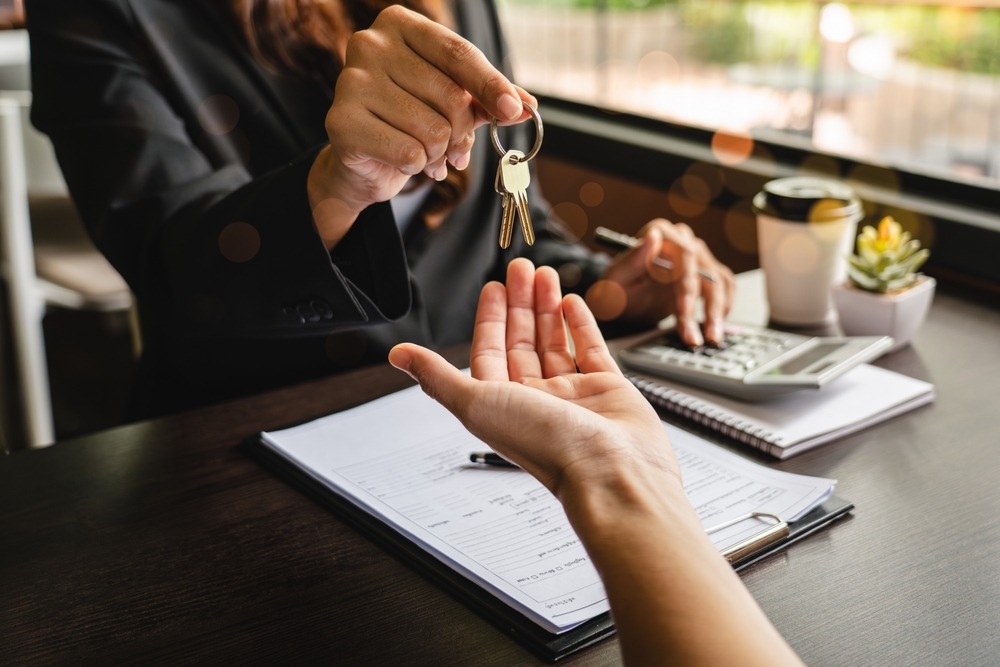
How to Decide Between Renting and Buying a House
If you’re still unsure whether renting or buying is right for you, asking yourself a few important questions can help bring clarity.
How Long Do You Plan to Stay?
If you plan to stay in the same area for several years, buying may make more financial sense. If your future feels uncertain, renting may provide more flexibility.
Are You Financially Prepared?
Make sure you can comfortably afford:
- Monthly payments
- Emergency expenses
- Maintenance costs
- Property taxes
- Insurance
Buying a home should support your lifestyle—not stretch your finances too thin.
Do You Want Flexibility or Stability?
Some people value mobility and flexibility. Others want permanence, stability, and ownership. Neither priority is wrong.
Are You Ready for Homeownership Responsibilities?
Owning a home comes with decision-making, upkeep, and maintenance responsibilities that renters often don’t have to think about.
What Costs Should You Compare When Renting vs. Buying?
When comparing renting vs. buying a house, it’s important to look beyond just the monthly payment.
Costs to Compare When Renting:
- Monthly rent
- Security deposit
- Renter’s insurance
- Utilities
- Parking or pet fees
- Costs to Compare When Buying:
- Down payment
- Mortgage payment
- Property taxes
- Homeowners insurance
- HOA fees
- Maintenance and repairs
- Closing costs
In some markets, renting may cost less month-to-month. In others, buying may create more long-term financial value through equity and appreciation.
Renting vs Buying Timeline: Short-Term Flexibility vs Long-Term Investment
One of the simplest ways to think about renting vs. buying a house is to look at your timeline.
Renting often makes more sense for shorter-term flexibility, while buying tends to provide more value for people planning to stay put long term.
- Renting is often ideal for flexibility, mobility, and lower upfront commitment
- Buying is often ideal for long-term stability, equity building, and personalization
The longer you plan to stay in a home, the more financial benefits homeownership may provide over time.
Renting vs Buying: Which Is Better for First-Time Buyers?
For first-time buyers, the decision often comes down to timing and readiness—not age.
Renting while building savings, improving your credit score, or paying down debt can be a smart financial move. On the other hand, if you’re financially stable and planning to stay in one place long term, buying may help you start building equity sooner.
The important thing is avoiding the mindset that you “have” to buy by a certain age or stage of life.
The best time to buy a home is when you’re financially and personally ready.
Frequently Asked Questions About Renting vs Buying a House
Is renting a waste of money?
No. Renting is not a waste of money for many people. Renting provides flexibility, lower upfront costs, and fewer maintenance responsibilities. In some situations, renting can be the smarter financial decision compared to buying a house.
Is it cheaper to rent or buy a house?
It depends on local housing prices, mortgage rates, rent prices, and how long you plan to stay. Renting is often cheaper in the short term, while buying may create more long-term financial value through equity and appreciation.
How long should you live somewhere before buying?
Many experts recommend planning to stay put for at least 3–5 years before buying to offset upfront costs and maximize potential equity growth.
What credit score do you need to buy a house?
Credit score requirements to purchase a home vary by loan type and lender, but higher credit scores generally help buyers qualify for better mortgage rates and loan options.
Can renting be the smarter financial decision?
Absolutely. Renting can make sense if you value flexibility, need time to improve your finances, or aren’t ready for the responsibilities of homeownership.
Renting or Buying in West Michigan? BlueWest Properties Can Help
Whether you’re ready to buy now or still deciding if renting makes more sense, having the right local guidance can make the process feel much less overwhelming.
At BlueWest Properties, we help buyers across West Michigan evaluate their options, understand the market, and make confident decisions based on their goals—not pressure.
We know the West Michigan market, including communities like Grand Haven and surrounding lakeshore areas, and we can help you determine what makes the most sense for your lifestyle and budget.
If you’re ready to explore homes, compare options, or simply talk through your next move, reach out to BlueWest Properties today, and let’s find the right fit for you.